
Culture · 7 November 2026
'Ain, Flexing, and an Old Fear of the Envious Eye
The film Ain brings an old belief about envious gazes into the age of TikTok lives. Why does a fear this old still hit a generation living on screens?
Whenever someone posts a holiday photo or something new they bought, there's almost always one comment underneath, usually from an aunt or a cousin: "don't forget to say a prayer." It sounds like small talk. This year, that line suddenly got its own horror film.
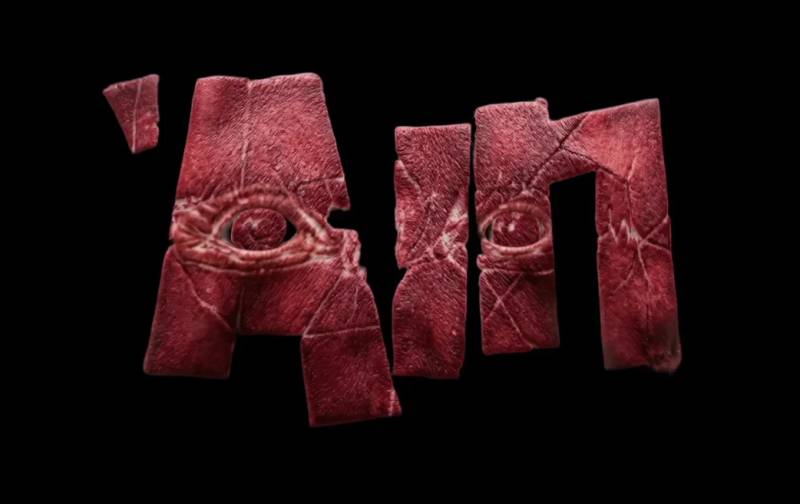
The film is called Ain, directed by Archie Hekagery for MVP Pictures, in Indonesian cinemas from May 7, 2026. It follows Joy Putri, a beauty influencer played by Fergie Brittany, who is so obsessed with popularity that she sets a target of ten thousand viewers for her TikTok live. She flexes constantly and chases validation. Her old friend Dini, played by Putri Ayudya, tries to warn her about the danger of 'ain. Joy doesn't care. Then her body starts changing in horrifying ways.
For the unfamiliar: in Islamic tradition, 'ain refers to harm, physical or psychological, believed to come from another person's gaze filled with envy, spite, or excessive admiration. The idea isn't unique to one culture. In Turkey there's nazar, whose blue eye charm you've probably seen as a keychain. In Latin America there's mal de ojo. Southern Europe and the Middle East have their own versions. People in many places have long believed a look can wound.
What makes the film feel well timed is the context. In the past, the people who could envy your life were limited to neighbors, schoolmates, or coworkers. Now, if you have a public account, that's potentially thousands or millions of eyes. Every photo, every unboxing video, every café story is an invitation to be watched. In the logic of 'ain, social media is a risk multiplier. In the logic of psychology, social media is a social comparison multiplier. The result, in both frameworks, is pretty similar: people get anxious, never feel like enough, and live to be seen.
I'm not in a position to say whether 'ain is real or not. That's a matter of faith, and everyone has their own answer. But it's interesting to see how a very old belief can be used to talk about a very new problem. Horror films have always mirrored the anxieties of their time. In the 80s we had fears about black magic and shamans. Now the fear is view counts and comments from strangers.
Especially since horror still rules Indonesian cinemas. Data cited by Antara says horror films took more than 60 percent of Indonesia's cinema audience between 2023 and 2025, around 128 million viewers in total, most of them watching local horror. So it makes sense that producers keep hunting for mystical themes that haven't been used yet. After pocong, kuntilanak, black magic, wealth rituals, and haunted village stories, it's 'ain's turn in the spotlight.
Whatever you make of the film itself, the questions it throws out are interesting. Why do we need other people to watch us? And why can being watched feel so frightening?
Maybe the more honest question for those of us living on screens: what are we really afraid of, other people's eyes, or our own eyes that never stop comparing?
There's no clear answer. But next time an aunt comments "don't forget to say a prayer", maybe hold off on the eye roll.
Read next
Get the monthly digest by email