Music · 7 November 2026
At The Gates and the Album Recorded the Day Before Surgery
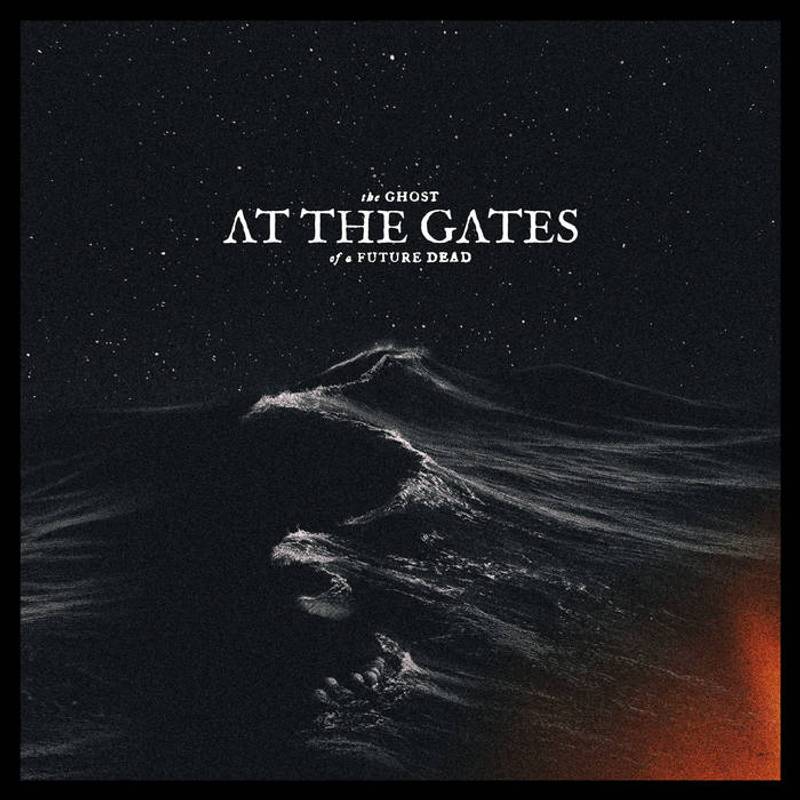
The Ghost of a Future Dead is Tomas Lindberg's last album. It's hard to hear without getting chills, and it doesn't need to be otherwise.
VerdictA farewell that refuses to be sentimental, and hurts more because of it.
There are albums we play for fun, albums we play to let anger out, and albums we listen to feeling like we're attending the funeral of someone we never met but who somehow feels close. The Ghost of a Future Dead belongs to that last group.
For anyone who missed the news: Tomas Lindberg, At The Gates' vocalist and one of the architects of the Gothenburg melodic death metal sound, died on September 16, 2025, at 52, after fighting adenoid cystic carcinoma, a rare cancer of the salivary glands. This album is his final recording. One detail that's hard to shake: Lindberg's vocals were recorded the day before he went into surgery.
The album came out on April 24 via Century Media, and most first-week reviews were written in a state of mourning. Understandable. But the more interesting question comes later: if you set the context aside for a moment, does the album stand up as an album, not just as a memorial artifact?
The answer: yes, it stands, and fairly tall.
Twelve songs, about 42 minutes. Anders Björler, guitarist and one of the main songwriters from the Slaughter of the Soul era, is back in the fold, and his influence is immediate. The riffs have that sharp Gothenburg angle without slipping into cheap nostalgia. Jens Bogren, a producer behind plenty of major European metal releases, handled recording and mixing, so the sound is thick but still breathes. The original title was The Dissonant Void, taken from the second track. Lindberg changed it himself after his surgery, and the new title now reads like a message left behind on purpose.
The opener, "The Fever Mask", tells you right away this isn't a farewell ballad album. This is At The Gates still hungry. Lindberg sounds like he always did: hoarse, urgent, a little desperate, like a man shouting from inside fog. What's different is how we hear him now. Every line about death, emptiness, and a future already dead suddenly carries double weight. I don't know how much of the lyrics were written in full awareness of his condition, and it feels disrespectful to guess too far.
What I like is that the album doesn't try to be a monument. No seventeen-minute song with orchestra and choir. No moments engineered to make the audience cry. They just do what they've always done well: fast, rough, melodic, honest melodic death metal. And precisely because there's no attempt to squeeze emotion out of you, the emotion comes out on its own.
If there's a criticism, a few songs in the middle feel a bit uniform. Tempo, structure, and guitar texture are close to each other, and if you're not a die-hard fan of the genre your attention might drift. But I'm not sure that's a weakness worth dwelling on for an album like this. It isn't made to win new listeners. It's made to close a circle.
Melodic death metal may not be the genre you hear most in young people's hangouts these days. But if you like metalcore, deathcore, or even hardcore bands that lean on melodic riffs, trace the family tree. You'll almost certainly end up in Gothenburg, at a 1995 album called Slaughter of the Soul, and at the voice of a man named Tomas Lindberg.
The Ghost of a Future Dead is the last letter from that voice. Listen at a volume it deserves.
Read next
Get the monthly digest by email